
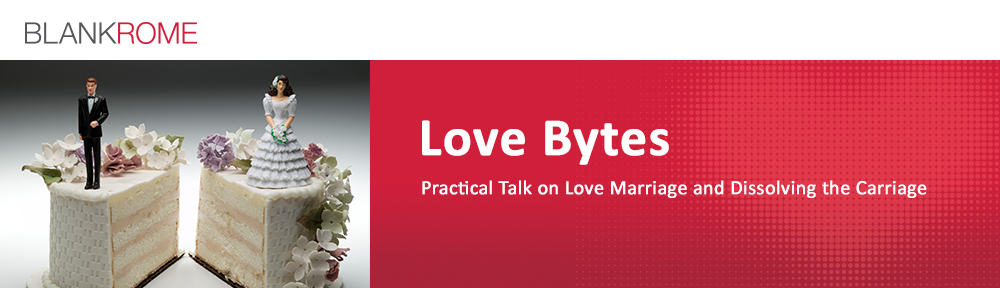
Every experience has a story, even the unpleasant ones. The story, or even the entity of marriage and divorce, whether our own or “divorce” at large, evolves with time. A simple fact is that the longer we have been around, the greater the opportunity to take a look and contemplate where we have been and perhaps even glean where the often lamentable (or, in some cases, welcome) phenomenon of divorce is going.
There was once a time when a divorce that occurred on any basis would be considered unthinkable, even unacceptable, throughout any aspect of life, personal or professional. It is fair to say that the many characteristics of marriage, as well as its potential dissolution, have changed since I first began practicing family law. One important factor I have learned over time is that it takes courage to make marriage work, and divorce is no different. We can also find courage in asking what has changed and why.
The Way We Were
In the past, it was the norm for couples to stay married—even if they were unhappy. That’s how things simply were “then.” Compared to modern times, Americans were much more likely to view their marriage and family life through the lens of obligation or personal duty and sacrifice. A successful marriage was often defined by mutual interests, including spousal support and raising children together. This structure was seen as all but universally proper and was expected to span the test of time.
Though respectable and what many would often say was ideal, we must not forget that such a structure was not without its flaws. This unyielding commitment to one’s marriage or family life was held true even in the midst of the most dubious or horrible of circumstances, such as domestic violence, adultery, or the suffering and pain involved with substance abuse. Those factors existed then as much as they do now but were rarely if at all, spoken aloud.
Those who endured pain in their marriages often lacked a way out and were denied the opportunity to seek justice or closure in court. The established expectations all but outweighed one’s emotional health and overall well-being. However, as time marched on, these circumstances and what was perceived as acceptable began to change. Everything evolved.